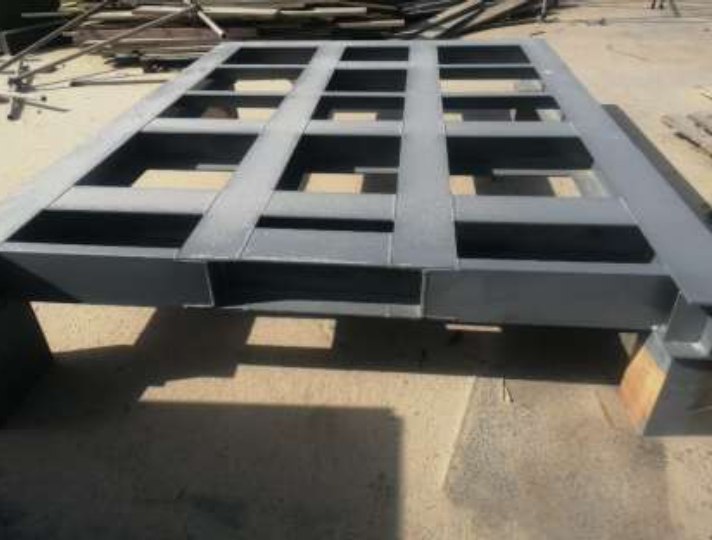
Project Overview
The fabrication of a SEA JET platform involves multiple stages, combining advanced
engineering,
precise construction, and stringent quality control to ensure safety and functionality. Here’s a
detailed
overview of the process:
- Initial Design:
- Collaborate with engineers and designers to create detailed plans
and blueprints for the
SEA JET platform.
- Use CAD software to develop 3D models and simulations.
- Specifications and Standards:
- Ensure the design meets all relevant maritime and safety standards.
- Consider factors such as buoyancy, stability, load capacity, and
environmental impact.
- Materials:
- Select high-quality materials such as steel, aluminum, and composite
materials based on
design requirements.
- Ensure all materials meet the specified standards for strength,
durability, and corrosion
resistance.
- Procurement:
- Source materials from reputable suppliers.
- Verify the quality and specifications of all procured materials.
- Cutting and Shaping:
- Use CNC machines, laser cutters, and other precision tools to cut
and shape the
materials according to the design specifications.
- Ensure all cuts and shapes are accurate to avoid assembly issues
later.
- Assembly:
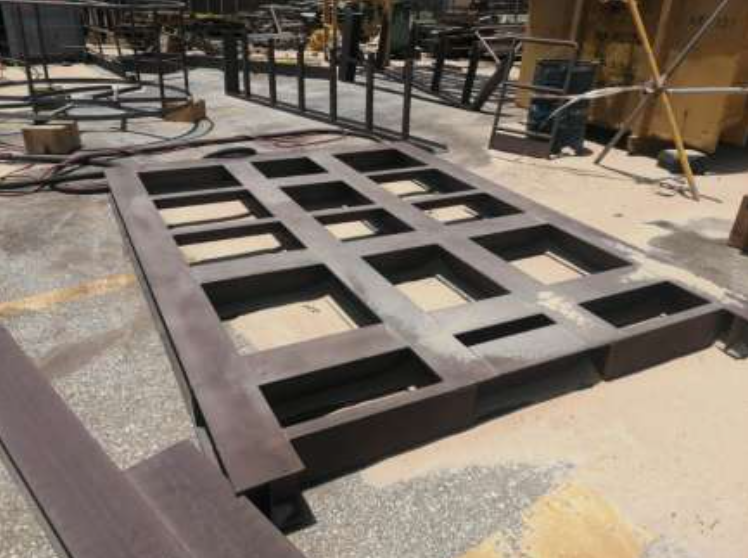
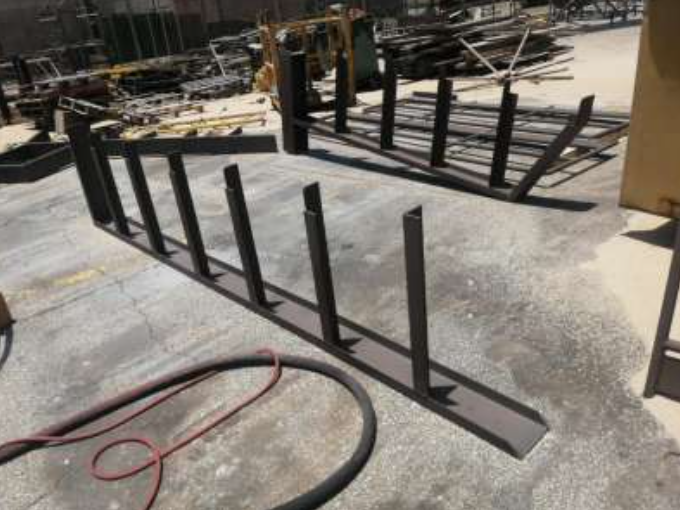
- Assemble the primary structure, including the hull, deck, and
supporting frameworks.
- Use welding, bolting, and riveting techniques to join components.
- Regularly inspect welds and joints for quality and integrity.
- Outfitting:
- Install internal components such as bulkheads, tanks, and machinery.
- Integrate systems for propulsion, electrical, and plumbing.
- Structural Testing:
- Conduct tests to verify the strength and stability of the platform.
- Perform load tests to ensure the platform can handle the specified
weights.
- System Testing:
- Test all installed systems, including propulsion, electrical, and
plumbing, to ensure they
function correctly.
- Conduct leak tests for tanks and plumbing systems.
- Inspection:
- Perform thorough inspections at each stage of fabrication to ensure
compliance with
design and safety standards.
- Use non-destructive testing methods such as ultrasonic and
radiographic testing to
check welds and structural integrity.
- Corrosion Protection:
- Apply anti-corrosion coatings to all exposed metal surfaces.
- Use paints and coatings that meet marine environment standards.
- Final Touches:
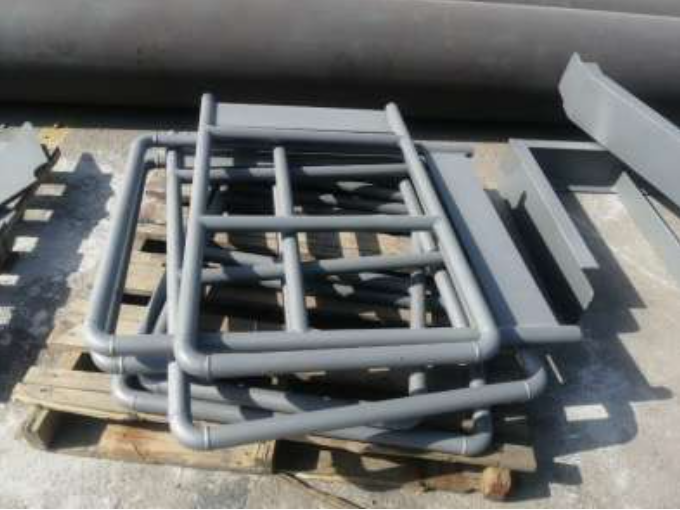
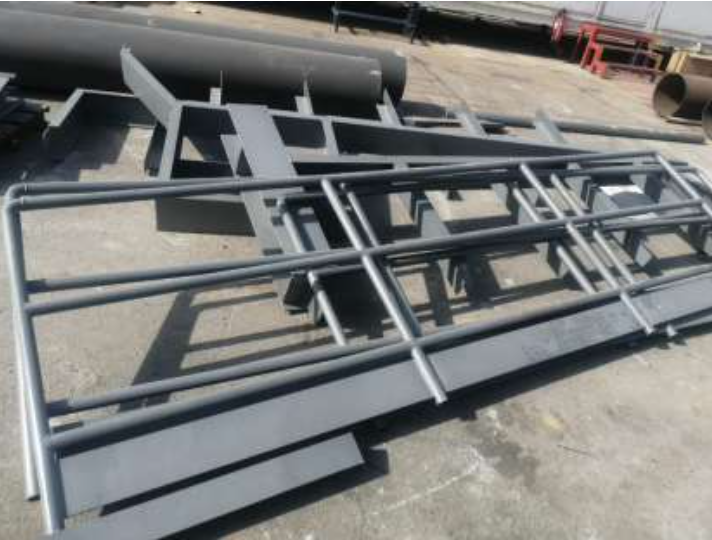
- Install additional features such as handrails, ladders, and safety
equipment.
- Ensure all surfaces are smooth and free of sharp edges.